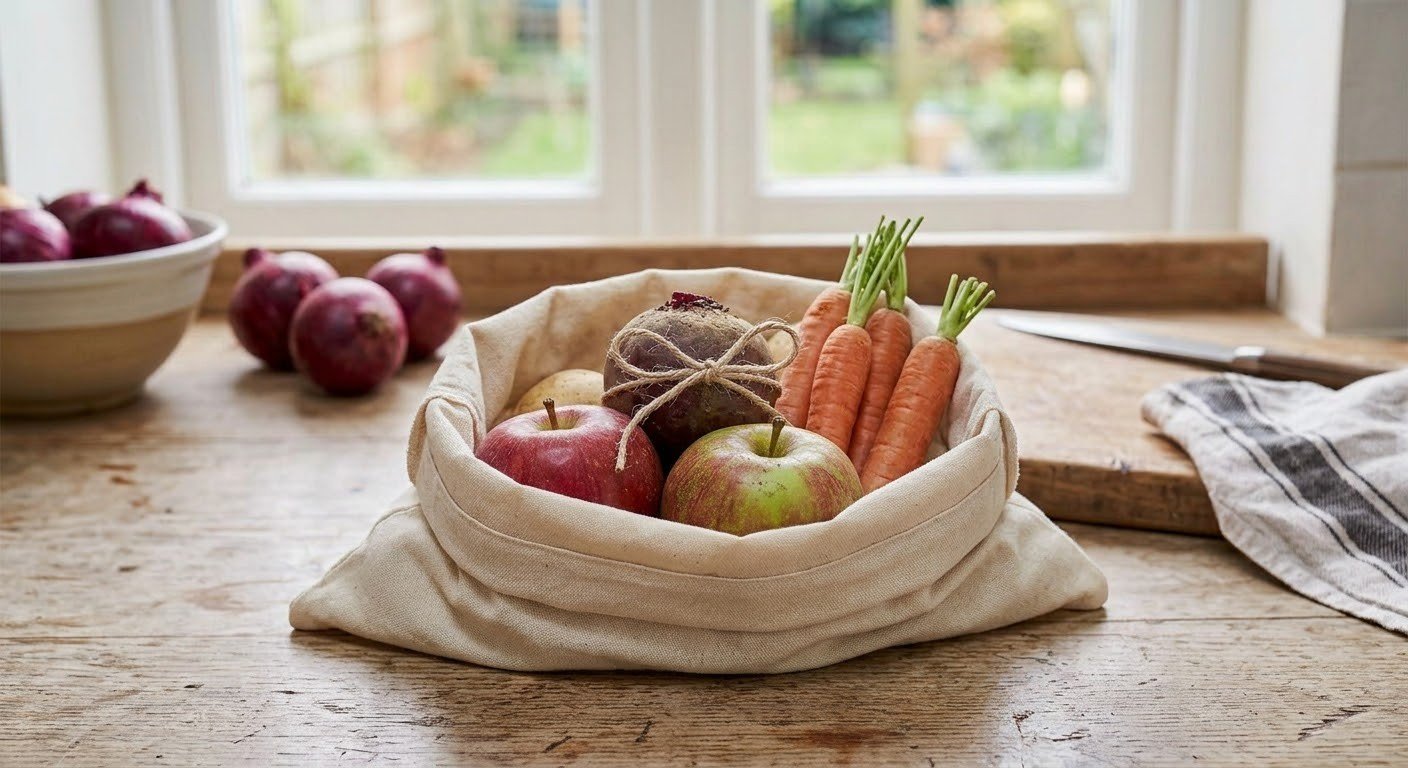
Eden Juice
Some juices are just refreshing. And then there are juices that make you stop after the first sip and think, wow.
This is one of those.
I call it my Eden Juice because it tastes like something that came straight out of the garden — fresh, naturally sweet, earthy, and clean.
The recipe is about as simple as it gets:
- 1 pound organic carrots
- 1–2 organic apples
- ½ organic raw beet
That’s it.
If you want a completely different drink out of the same three ingredients, add an organic lemon. You can even juice the lemon with the peel if your juicer handles it and the lemon is washed well. It comes out surprisingly bright — almost like lemonade.
Ingredients
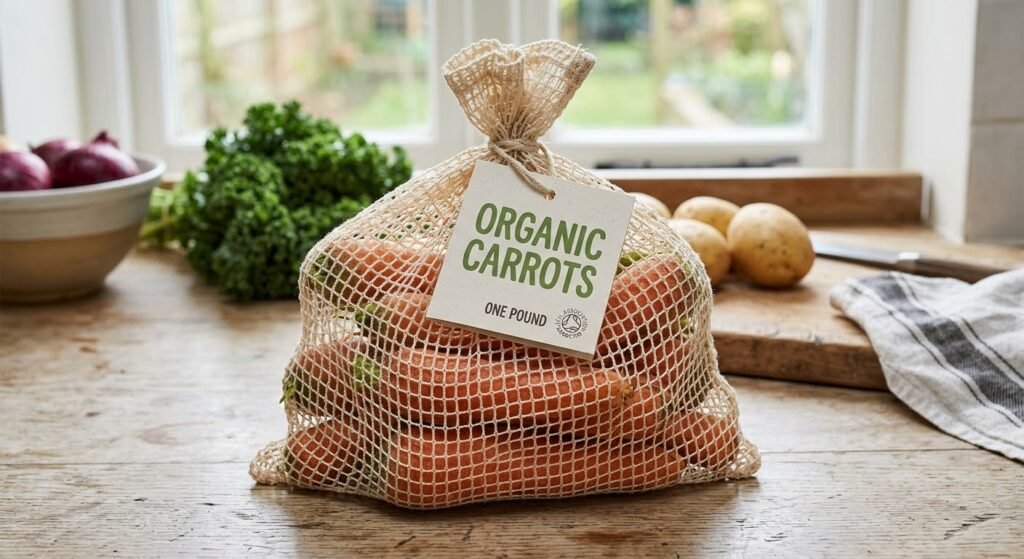
Main juice
- 1 pound organic carrots
- 1–2 organic apples
- ½ organic raw beet
Optional
- 1 organic lemon, preferably juiced with the peel
Directions
- Wash all the produce thoroughly.
- Cut the carrots, apples, and beet into pieces that fit your juicer.
- Juice everything together and drink it fresh.
- If you’re using the lemon, run it through toward the end.
That’s all there is to it.
Why These Ingredients?
Each one brings something different to the glass.
Carrots: The Foundation
The carrot makes up the bulk of this juice. It gives the drink its color and its natural sweetness.
Norman W. Walker, one of the early pioneers of fresh vegetable juicing, wrote about carrot juice at length in Fresh Vegetable and Fruit Juices: What’s Missing in Your Body? He was especially enthusiastic about it, and he had a lot to say about what it did for the skin.
Walker made plenty of therapeutic claims that go well beyond what modern research has established. I find his experience interesting to learn from, but I keep that distinction in mind — and I’d suggest you do too.
From a plain nutritional standpoint, carrots are rich in beta-carotene, which the body can convert into vitamin A.
The Beet: Small Amount, Big Character
The beet is what gives this juice its depth.
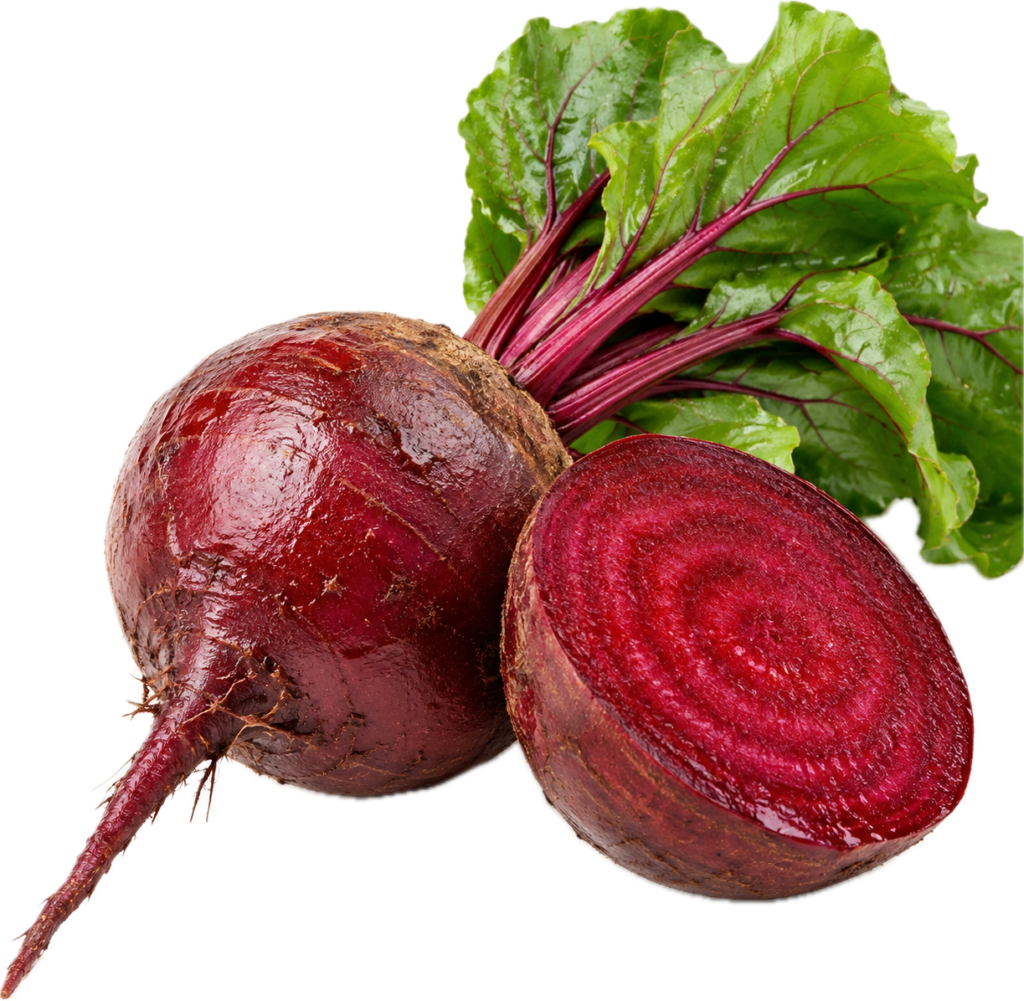
I only use about half of a raw beet. You really don’t need more than that.
Walker wrote a great deal about beet juice and its traditional use, and he believed it was particularly supportive of the liver and the blood. Again — traditional claims, not established medical evidence.
There’s also a practical reason not to go overboard. Beets are relatively high in oxalate. Most people have no reason to avoid them, but anyone who forms calcium-oxalate kidney stones may be advised to limit high-oxalate foods, beets included, depending on their situation.
That’s one more reason I stick with half a beet instead of piling in three or four.
Apples: The Sweetness That Brings It All Together
Alt text: Two organic apples on a wooden table with an orchard in the background
Caption:
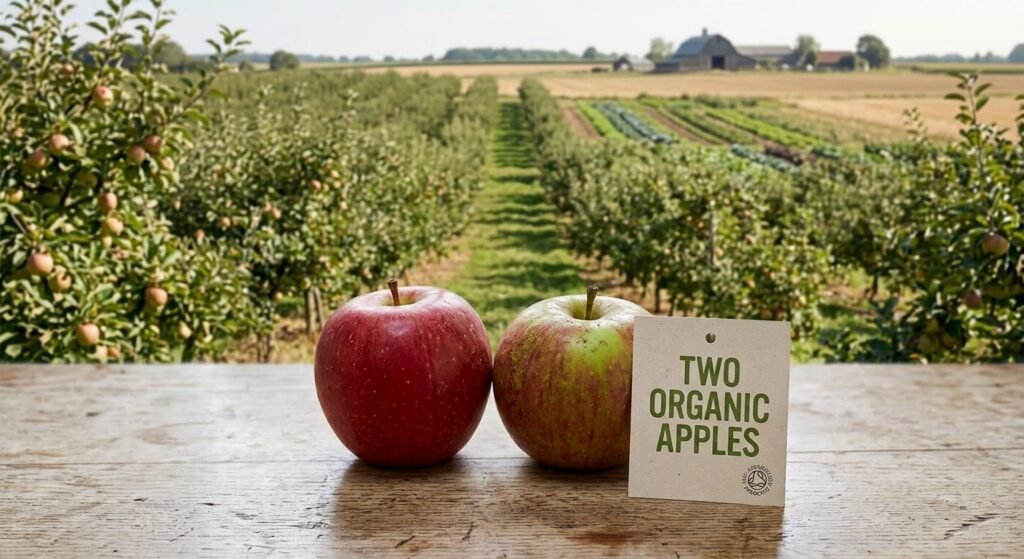
The apple isn’t only there for sweetness. It balances the earthiness of the beet against the sweetness of the carrots.
Dr. John R. Christopher, the well-known herbalist, was a strong advocate of fresh foods and traditional herbal approaches, and his writings are full of observations about the value of fruits and herbs.
You’ve probably heard that the pectin in apples helps clean out the intestinal tract. That idea has been part of natural-health thinking for a long time. But there’s an important catch when it comes to juicing: juicing removes most of the fiber, and that includes most of the pectin.
So if apple fiber is what you’re after, eat the whole apple.
In this juice, the apple has a different job — it makes the whole thing taste fantastic.
And Then There’s Lemon
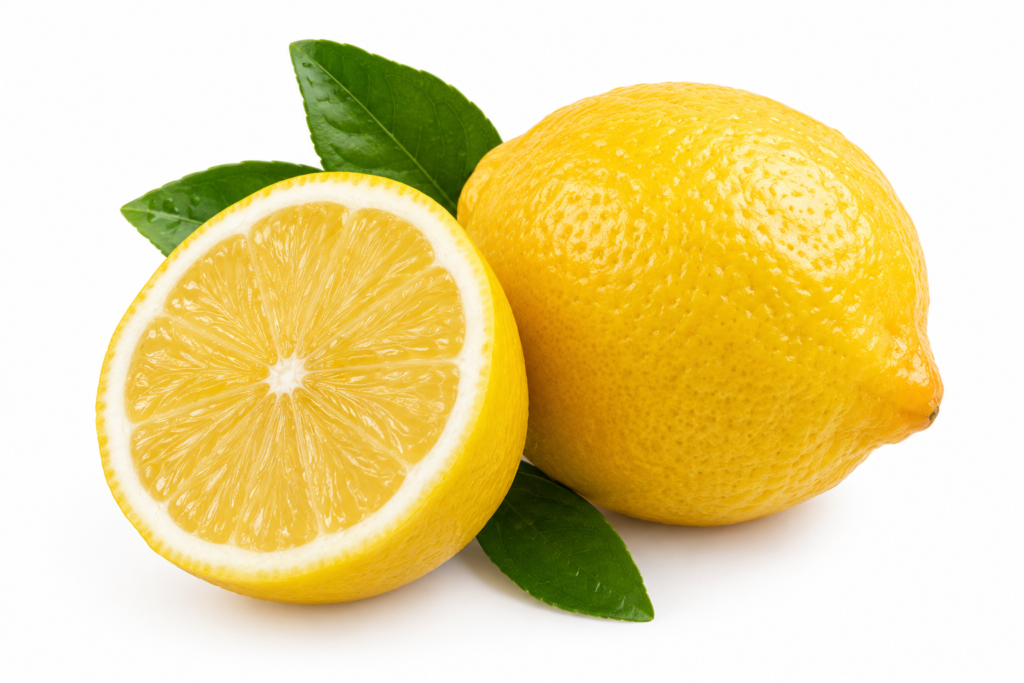
If you like your juice sweet and earthy, leave it out.
If you want something closer to fresh lemonade, put it in. The lemon cuts straight through the sweetness of the carrot and apple and brightens up the entire glass.
I like using the peel when the lemon is organic and well washed. The peel carries aromatic oils and other plant compounds that give the juice a much stronger citrus character.
I’d be careful about calling lemon a “detoxifier,” though. The body already has its own systems for processing and clearing things out, mainly the liver and the kidneys. I think of the lemon as a refreshing, nutritious addition that makes the juice taste better — which is plenty.
Why I Like This Juice
I’ve made this combination many times, and what I like most is how easy it is to drink.
You’re getting a real amount of fresh produce in one glass, but it doesn’t taste like you’re drinking “health food.” It tastes good. Really good.
That’s why I call it Eden Juice.
Over the years I’ve also noticed that fresh vegetable juices like this one tend to be especially appealing when someone is run down or fighting off a cold. I’m not going to tell you it cures a cold — the evidence doesn’t support that. But in my own experience working with people, fresh juices and nourishing food can help someone feel better when they’re under the weather.
Sometimes the simplest things are worth trying.
One Important Point About Juicing
Juicing is not a replacement for eating vegetables.
Whole fruits and vegetables give you something juice doesn’t: fiber. I look at fresh juice as a way to add concentrated produce to a diet — not as a reason to stop eating the whole thing.
And if you have a medical condition, take medications, have kidney trouble, or have a history of kidney stones, talk any significant dietary change over with your healthcare professional first.
My Favorite Version
Eden Juice
- 🥕 1 pound organic carrots
- 🍎 1–2 organic apples
- ❤️ ½ organic raw beet
- 🍋 1 organic lemon (optional)
Juice it fresh. Drink it slowly. Enjoy it.
To me, this is what fresh juice is supposed to taste like: simple, natural, sweet, earthy, and refreshing.
— Poppa Ben

Ben — known to his clients and readers as Poppa Ben — is a certified practitioner of Natural Bioenergetics (formerly Health Kinesiology) with decades of hands-on experience helping people restore their energy and vitality. He writes about natural health, nutrition, herbs, energy work, and the occasional skin-healthy recipe. His approach always comes with the same reminder: your body wants to be in balance, and sometimes it just needs someone to listen.